14 Best Practices for Moderating Jeopardy Games


Jeopardy has turned into a classroom staple. And when the game is designed and moderated well, it can reinforce learning, encourage student engagement, and help build skills like collaboration and critical thinking.
But a successful Jeopardy session isn’t just about clever questions and colorful slides—it’s about how the teacher runs the game. A well-moderated Jeopardy game can turn an ordinary quiz into an engaging and effective teaching tool. Whether you’re new to moderating Jeopardy or a seasoned facilitator, these best practices will help you get the most out of every round—and enjoy it along the way.
Before You Moderate Your Next Game
If you want to get the most out of the game, your moderation needs to begin before students choose their first category. Take some time to consider how Jeopardy fits into your lesson goals, what types of skills you want students to practice, and how you’ll use the game to capture learning insights. These few minutes of intentional planning can turn a quick review into a powerful formative tool.
1. Set clear objectives from the start
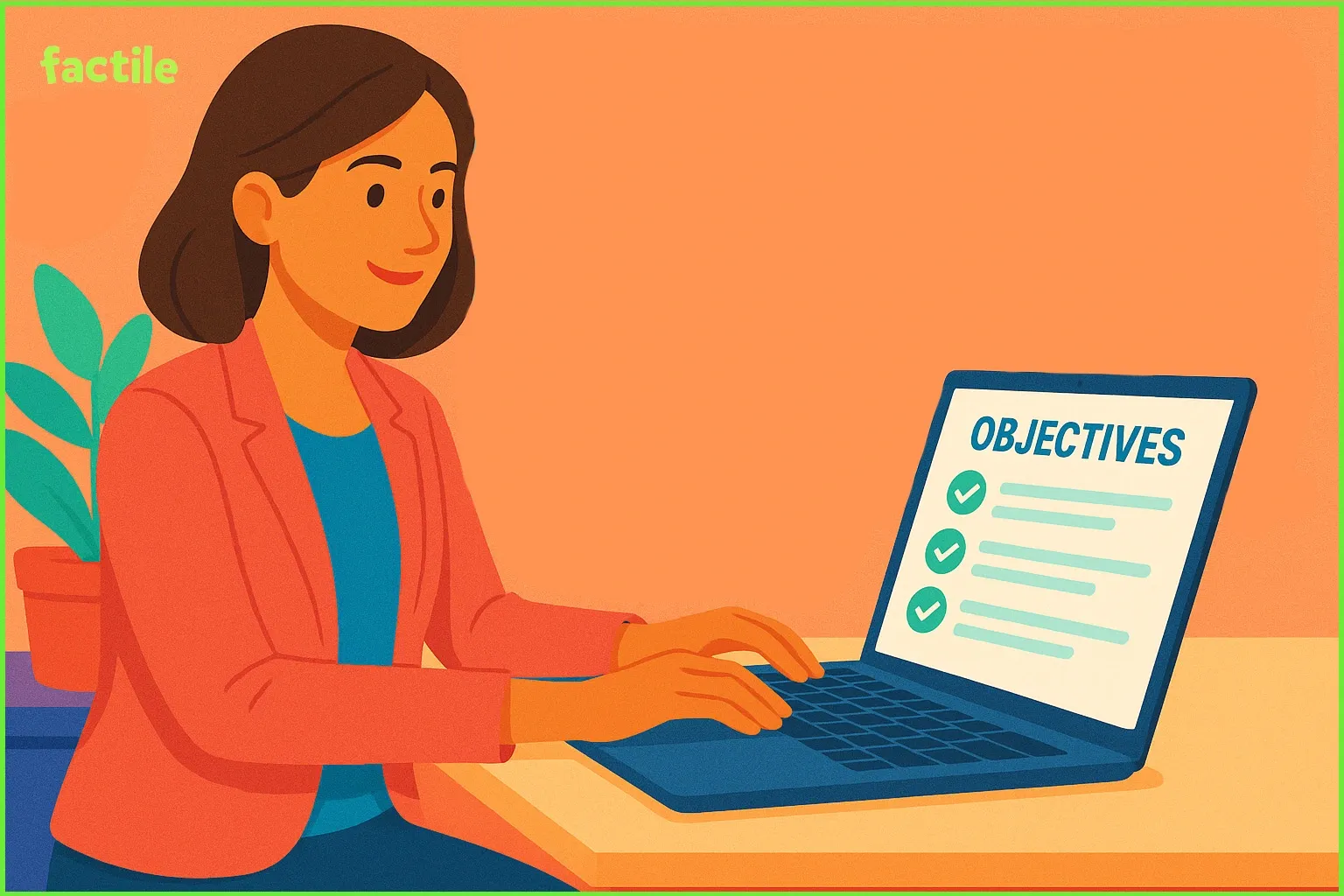
Do your students need to review for an upcoming test? Reinforce vocabulary retention? Summarize a unit? Your reason for playing Jeopardy is important, but instead of stopping here, try to go deeper. What skills do you want students to practice? Fast recall? Collaborative discussion? Identifying misconceptions?
With clear goals, you can shape not only your questions, but also how teams interact with each other, how long they have to answer, and how much scaffolding you build in. For example, reviewing key terms before an exam might call for fast-paced competition. But if your goal is to identify gaps in understanding, you might want to leave more space for open-ended prompts and discussion questions.
Tip: Let students in on the purpose. When you take a moment to explain to your students, "We're using this to review tough concepts before the quiz," they’ll be more likely to see the game as part of the learning process, instead of just for fun. This may help them take the game more seriously than if it were an ice breaker or brain break.
2. Carefully design your game board
The best online Jeopardy boards typically include:
- Five to six categories
- Five questions per category
- Increasing point values (e.g., 100–500)
Make sure your categories align with your learning goals, and that the questions progress in difficulty along with their point values. Avoid uneven boards where one category is much easier or harder than the others. This keeps the game fair and prevents students from wanting to choose the “easy” category over the “challenging” one.
Tip: Vary your formats to engage students even more. Include written definitions, images, graphs, and audio clips, to suit the different learning styles. Platforms like Factile let you embed images and videos to create more dynamic, differentiated boards.
3. Choose the right tools
Many teachers build online Jeopardy games from scratch in PowerPoint or Google Slides. But if you’re looking for a classroom-ready tool that simplifies everything from setup to scoring, Factile is a great choice.
Factile offers:
- Virtual, customizable Jeopardy boards
- Question Banks to save and pull from for future games
- Built in Buzzer mode
- In-class and remote playing options
- AI game creation (for an affordable, additional cost)
- Automatic scorekeeping and buzzer mode
- Double Jeopardy and Daily Double
- Multiple-choice, Flashcards, Memory, and Quiz Bowl games
- And so much more.
These features reduce the stress of manual moderating, on top of making classroom Jeopardy more fun and effective for learners. Keep in mind that while Factile offers free accounts, some of these features are only available to paid subscribers. However, it’s entirely possible to create and moderate wonderful Factile games completely free.
Tips to Incorporate While Moderating Jeopardy in the Classroom
As a Jeopardy moderator, your job isn’t only to keep score. You’ll want to create a structured space where students feel excited to participate, where competition stays friendly, and where authentic learning takes place. The following strategies can help make that happen:
4. Establish the rules before you begin
Moderating Jeopardy becomes much easier when students know what’s expected. At the start of the session, clearly explain:
- How will you form teams?
- How will the teams take turns (buzzers, raising hands, rotation, etc.)?
- Will there be time limits for answering? How long will each team have to answer?
- Is stealing allowed?
- Will there be Final Jeopardy? What are the rules for Final Jeopardy?
If your students understand Jeopardy’s structure ahead of time, they're more likely to follow the rules, stay focused, and actively participate throughout the game.
5. Try to form balanced teams
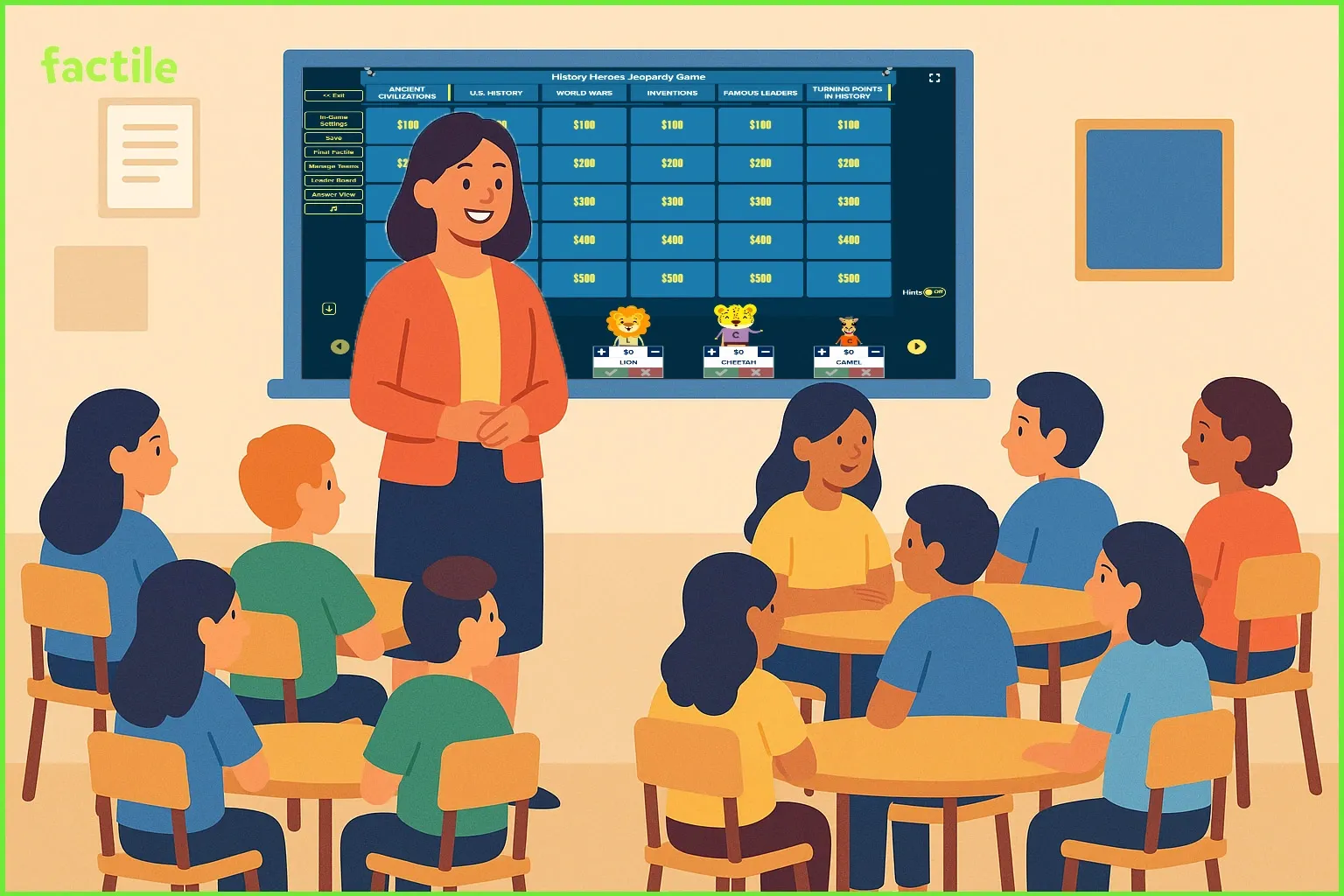
Random teams usually turn out okay, but if you’re far enough into the school year to know your students well, aim for mixed-ability groups so all students. This helps to ensure all students have a chance to contribute.
Tip: Choose a spokesperson from each team to answer out loud. This helps to keep teammates from shouting over one another during the game.
6. Score fairly in a location everyone can see
Scorekeeping can be challenging in Jeopardy—especially when it’s a fast-paced or highly-competitive game. This is another area where Factile can help. Its built-in scoring system allows you to focus on the game itself instead of the leader board.
If you're moderating Jeopardy manually, be sure to continually update scores on the whiteboard. This type of transparency will motivate your students and keep them working hard to win the game.
7. Keep the game moving at a comfortable pace
Competition is a good motivator, but you don’t let it rush the game. As Jeopardy moderator, your thoughtful pacing can keep the game moving while still giving time for thoughtful participation.
- Here are some tips on timing questions and answers:
- Give a clear countdown (for example, "you have 5 seconds to answer")
- Prompt teams to choose their category and amount quickly
Redirect students if conversations go off-topic
8. Clarify answers and reinforce learning often
Don’t just say "correct" or "incorrect" when students share their answers. Instead, use the questions as micro-teaching moments. After each answer, take a few seconds to confirm the correct response and reinforce the concept:
- "Good connection—remember this is going to show up on the test as..."
- "Close! Here’s a trick to help you remember the right answer next time."
Especially when you’re reviewing for upcoming exams, these types of immediate feedback can make a real impact.
9. Keep the competition to a healthy level
Too much competition can negatively impact classroom culture. Remember, as Jeopardy moderator, you get to set the tone. Try to celebrate effort, not just speed and accuracy:
- Highlight thoughtful or strategic answers
- Remind teams to cheer each other on
- Take a break if the competition takes a turn for the worse
Point out not only what your students know, but how they support each other throughout the game. Jeopardy can be as much of a team builder as it is a review tool, and as the moderator, you have the opportunity to celebrate collaboration, peer encouragement, and group problem-solving throughout the game.
10. Be ready to adapt to diverse learners
Not every student thrives in a game that relies on speed or group speaking. Adjust your format to ensure all students can not only feel comfortable, but learn from the game:
- Allow brief team discussions before answering
- Use images or graphs for visual learners
- Let students write down responses if it’s easier than speaking
Tip: Consider individual student needs and learning styles while you form your teams. Try to pair students whose learning styles and needs compliment each other’ instead of clashing.
11. Prepare for common disagreements
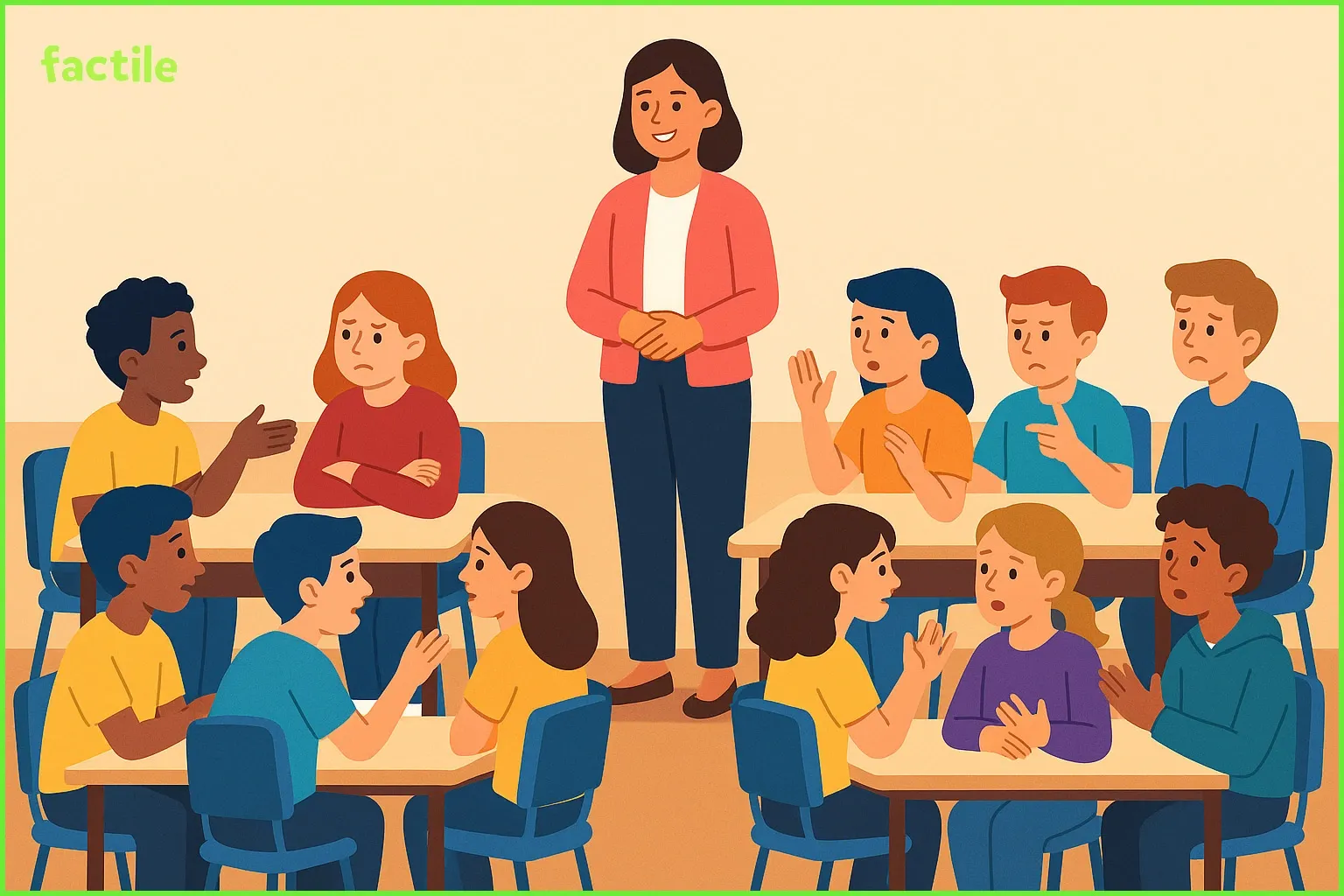
Even with the perfect set of ground rules, disagreements are bound to happen. Plan ahead with the following tips:
- Be clear about what counts as a correct answer
- Write down your rules to reference later on
- Be ready to settle disputes calmly, even if students become upset
You can also offer each team one "challenge card" opportunity per game—where students can respectfully disagree with a ruling and explain why their answer should be accepted.
12. Plan ahead for Daily Doubles and Final Jeopardy
These moments are often the most exciting, but with big emotions comes a bit more stress. Here are some tips to help:
- Add one or two Daily Doubles per game to shake up the leaderboard
- For Final Jeopardy, reveal the category first and give the teams a set amount of time to discuss before wagering
- Collect wagers privately (index cards, private messages, etc.)
Factile’s Final Jeopardy feature handles all of this digitally—so you don’t have to worry about managing wagers or tracking answers manually. Its Daily Double feature is also fully randomized, so you won’t be called “unfair” if only one team has the chance to earn extra points.
13. Leave time to reflect after the game
When the game ends, don’t dismiss your class right away. Take a few minutes to reflect:
- Ask your students what they learned or found surprising in the game
- Highlight key takeaways from the most difficult questions
- Let teams share strategies they used—if they’re willing
This debrief turns game play even more educational and reinforces that the value wasn’t just in winning, but in learning.
14. Share the load by delegating tasks
As the Jeopardy moderator, you’ll have a lot to focus on. Don’t try to do it all on your own. Instead, try to delegate tasks whenever possible:
- Ask a student to track scores on the whiteboard or manage time with a stopwatch
- Appoint readers to take turns sharing the clues
- Try Factile’s AI feature to make a Jeopardy board in minutes
No matter how many Jeopardy games you moderate this year, you’re doing meaningful work. You’re educating the next generation—future researchers, builders, caretakers, and world-changers. This guide is just here to support you, offering tips to make your classroom review games more fun, effective, and stress-free.
And with tools like Factile, you can spend less time troubleshooting and more time connecting with your students. Try it free and see how much smoother and more fun your next game day can be.
Quick-Reference Checklist for Jeopardy Moderators
- Define your learning objectives
- Mix question types and formats
- Use tools like Factile to make things easier
- Clearly explain the rules
- Form balanced teams
- Consider all learning styles
- Keep score visible at all times
- Carefully moderate the game’s pace
- Reinforce learning concepts often
- Aim for healthy competition
- Build in a short reflection afterward
- Delegate tasks when possible
Ready to Level Up Your Classroom Jeopardy?
If you want to run more interactive and effective classroom games, check out Factile today. It’s built specifically for teachers and makes moderating Jeopardy easier than ever—think little extra prep and less stress during gameplay.
Sign up for a free account to see how low-key—and fun—moderating Jeopardy games can be.