The Top Ten Review Games for the Classroom


Every teacher wants to make learning fun. But how can you bring excitement into the classroom while simultaneously ensuring students are learning to their fullest potential? In our humble opinion (which happens to be backed by research and experienced teachers), review games are the answer.
Why? They’re not only fun for students of all ages but also jam-packed with educational benefits, making them an ideal tool for learning. Whether it's improving problem-solving skills, enhancing creativity, or fostering teamwork, these activities offer a holistic approach to education.
Below, we’ll dive into the details of review games in the classroom, from listing the best games to choose from to hashing out rules to consider before you begin. By the end of this post, we believe you’ll have all of the tools you need to add a great new review game or two to this year’s lesson plan.
Why Play Review Games in the Classroom?
Review games are fun, but they’re much more than that, too. A few benefits that we commonly see from game-based learning include:
- Improved student engagement (because the material is presented in a fun and exciting way).
- Better retention and recall (how much your students remember from your lesson, and their ability to bring this knowledge to the front of their mind when needed).
- Strengthened problem-solving skills (for both topic-related questions and challenges that pop up between students as they learn to work as a team).
- Clear, quick feedback (so you as the teacher can more easily see how much your students know about the topic at hand).
Other benefits of review games include increased social and emotional skills, a deeper love of learning, and less stress in the classroom.
Prepping for Classroom Games
When getting ready to play a review game with your class, start by asking yourself these three questions
- Do you have all of your supplies laid out and ready to use? This means all packaging should be open, and batteries installed if required. Anything that needs to be written or drawn on the front board can be done in advance. Websites can be pulled up, accounts logged into, and projectors preset.
- Do you know how to play the game? Some games can be trickier than they seem. They may have extra setup steps that you weren’t aware of, or rules you aren’t familiar with. Other times, certain rules may be better left out due to your students’ ages.
- Are your students developmentally ready for this game? Games can bring out the best, and most challenging, behaviors in students. Think about your students’ maturity levels and social emotional skills before bringing in a new game. Are there any problem behaviors that you'll need to be ready to intercept? Or is your class more than ready to enjoy themselves with the game you’ve chosen?
By having supplies ready and fully understanding the rules of the game, you can guarantee a quick start, as well as a fun and effective learning experience for your students.
Choosing Your Game (10 Great Options)
#1: Online Jeopardy for Kids
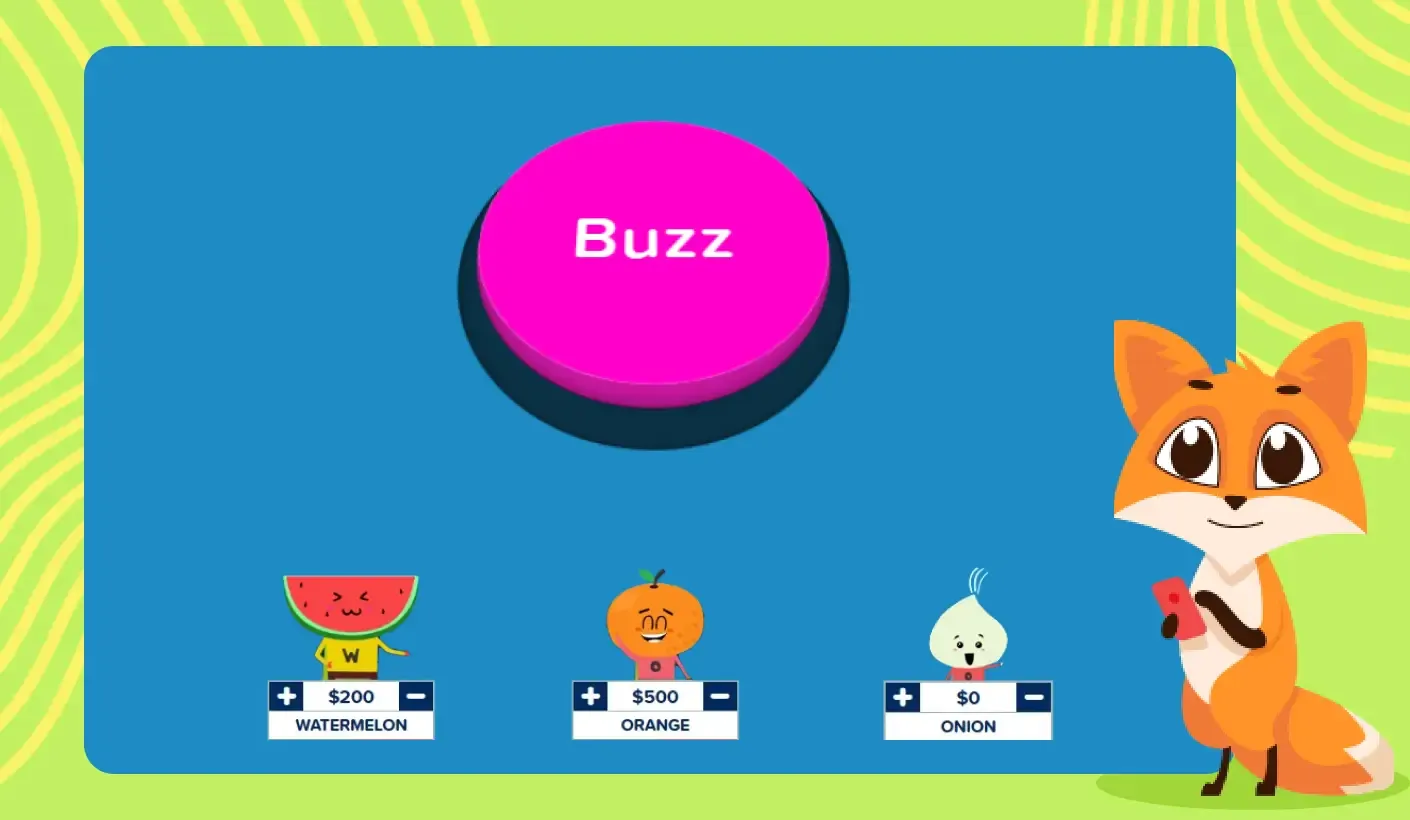
Online Jeopardy is one of the best review games for kids because it’s low-prep, students enjoy playing it, and it’s easy to include topics and terms from any school subject. To make your own Jeopardy game, create a clickable board in PowerPoint that links to question and answer slides. For an easier way to play, try Factile’s online Jeopardy game maker. All you’ll need to do is insert your questions and choose the style you’d like to play (will you add a round of Double Jeopardy, will you use buzzers, etc.).
Once your prep work is complete, it’s time to play. Divide your class into teams and have students take turns answering questions. The team with the most points when the board empties, wins.
Online Jeopardy is a simple and fairly calm game, so there aren’t specific behaviors that you’ll need to plan ahead to intercept. In fact, online Jeopardy can even strengthen social skills such as turn-taking, communication, decision-making, and more.
#2: Deal or No Deal for Kids
Deal or No Deal is similar to Online Jeopardy for Kids in the way that both games are based on television shows. Deal or No Deal may make students feel like the stakes are higher, since their point totals are left more to luck than knowledge or skill. Nevertheless, it’s a fun way to get kids answering review questions in the classroom.
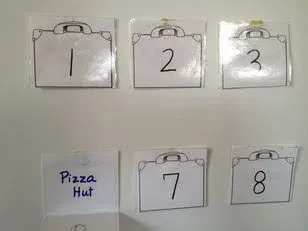
To play, make a Deal or No Deal game by hand by taping numbered papers onto the board with dollar amounts hidden underneath. Every time a student answers a question correctly, they can open a case. When they open a case, the dollar amount inside gets removed. At any time, the class can choose to “take the deal” by opening a numbered case to keep. The higher the point total inside, the more successful their game was.
This game takes a bit of prep work, including making the board and having a list of questions or vocabulary terms handy. One benefit, though, is that it can be played as a whole group to eliminate competition and encourage class team building.
If you’re looking for a lower-prep way to play Deal or No Deal in your classroom, consider purchasing a pre-made resource from Teachers Pay Teachers.
#3: Memory Match
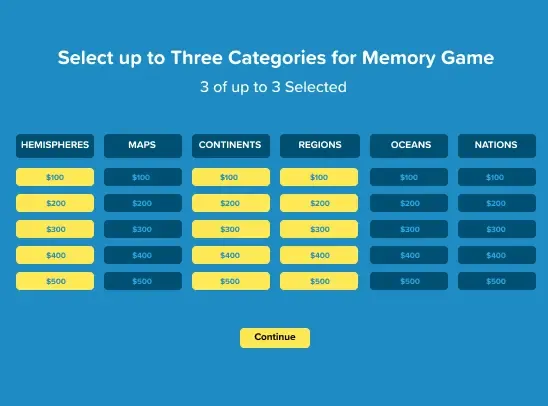
Memory Match is a fun game that can be played individually or in partner pairs/small groups. Instead of matching two identical pictures, you can have students match a vocabulary term to its definition (or a math problem to its solution).
You can make these cards by hand or use an online tool like the Memory game maker included in Factile’s Pro subscription.
Once the cards are made (or if you’re using a virtual version), Memory Match includes no prep. It’s a great game to have on hand for extra time. Since it’s a calm, sit-down game, it shouldn’t require much thought on the behavior front, either. It may even serve as a helpful tool for those students who need a bit of extra support when it comes to focusing on their work.
#4: BINGO
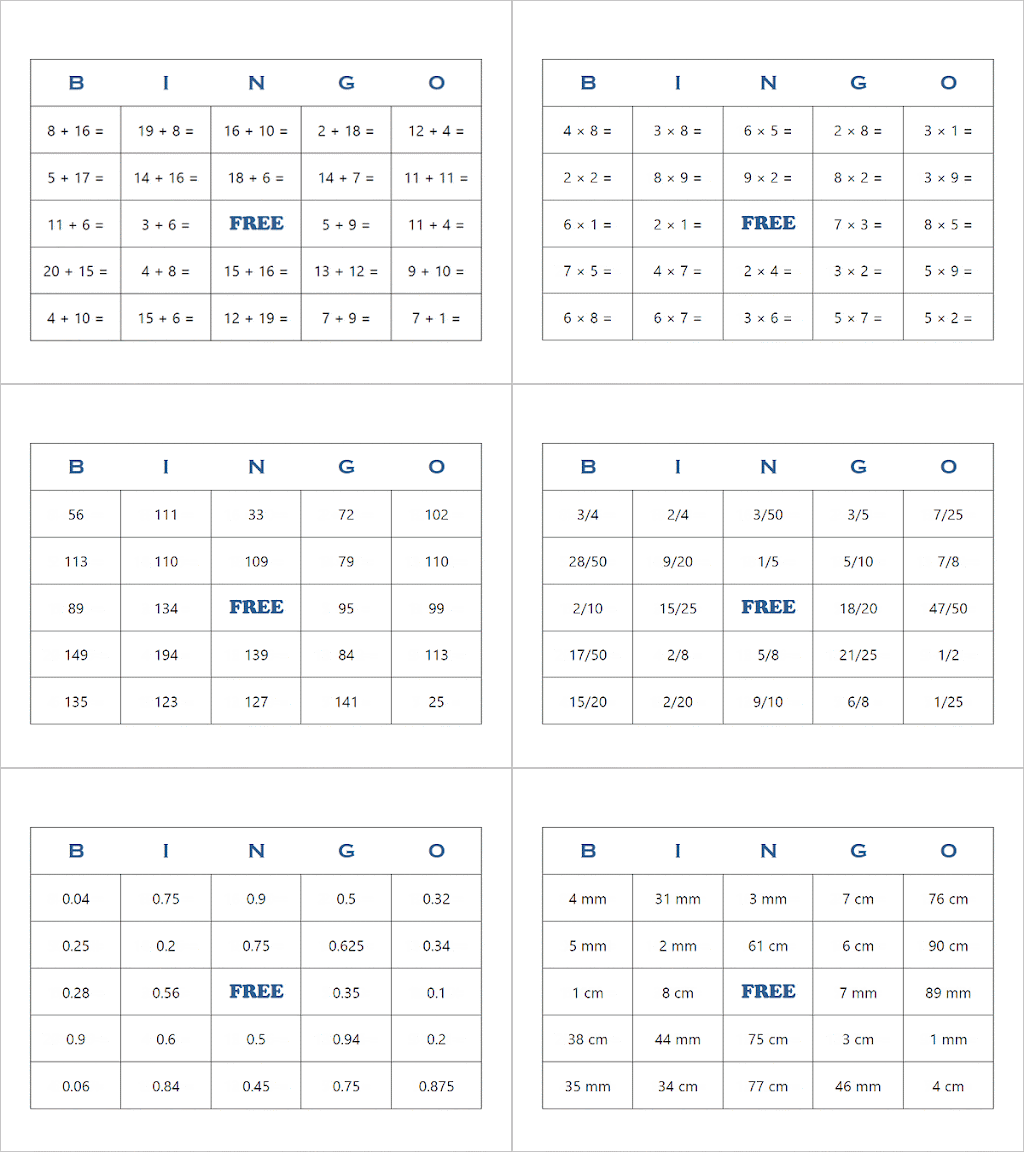
BINGO is a hit for students of all ages. In the classroom, put vocabulary words on your BINGO sheets instead of numbers. Instead of calling out the terms, call out their definitions. You can create the sheets by hand or utilize an online resource like MyFreeBINGOCards.
You can play BINGO with or without prizes. Just be sure to keep the same format throughout the year, as students may not feel as motivated if you start with prize-based play and move to no prizes later on in the year.
#5: Pictionary
Pictionary in the classroom is played just like the regular game. One student will draw a picture of a term (preferably something that you are learning about in class) and their team will try to guess what they are drawing. The team that guesses the most drawings correctly at the end of a predetermined time, wins.
Prep for classroom Pictionary includes writing vocabulary words or phrases on slips of paper and having them available for students to draw from. You will also need to provide white boards and markers (or paper and pens/pencils). Along with the benefit of light prep work, this game is pretty easy to control. The only behavior modification you may need to make is ensuring that students use indoor voices while making their guesses.

#6: Online Quiz Bowl
Quiz Bowl is easy to play — simply divide your class into two teams and ask them questions. The team with the most correct answers at the end of the game, wins.
If you want to make Quiz Bowl more fun, consider using Factile’s online game maker. The “Buzzer Mode” makes it feel like a real competition. Enter up to 30 “Toss Up” questions and 3 challenge questions that get progressively more difficult to make the game feel like the College Bowl competitions.
No matter how you play, Quiz Bowl is low-prep and shouldn’t bring up many concerning behaviors. It’s a great game to keep around for when lessons end earlier than you expected them to.

#7: Fly Swatter Challenge
This game is fun because it requires speed and brings an unordinary object into the classroom. Divide your group into two teams and write a collection of vocabulary words or lesson terms on your front board. Each team will send a representative to stand near the board. Give each of these students a fly swatter. When you’re ready to play, begin by stating the definition of one of the words on the board. Whoever hits the matching word with a fly swatter first, wins. The team with the most points after all of the words have been swatted, wins.
Prep for this game includes having the fly swatters handy, phrases written on the board, and a list of “answers” accessible. Planning includes ensuring your students have the correct maturity level to handle playing with fly swatters without swatting their classmates.
#8: Charades
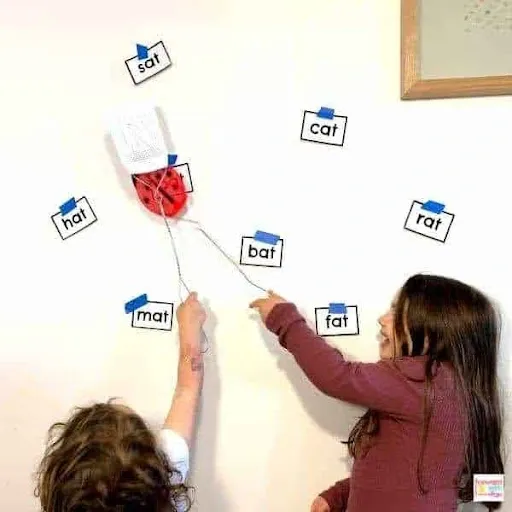
Charades is a classic party game, but it can also be an effective classroom review tool. Write vocabulary words on small sheets of paper before class begins, and place the papers (folded up) inside of a bowl or upside-down hat. Have students divide into teams. One student will pick a paper and act out the term without speaking. The rest of their team will have to guess what they’re trying to depict. One correct guess equals one point for that team. The first team to 5 or 10 points, or the team with the most points at the end of the predetermined time frame, wins.
This game doesn’t include prep outside of the paper slips. It does, however, take a bit of thought. It’s important that the phrases written on the papers can be acted out. Charades may be better for remembering presidents in history class, for example, than it would be for memorizing multiplication facts.
#9: Trash-ket Ball
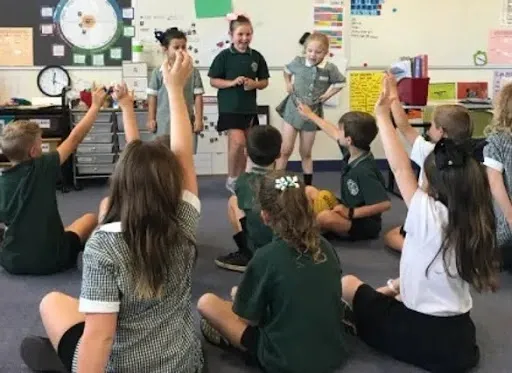
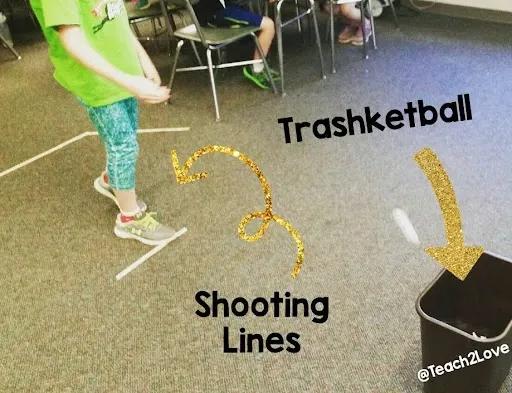
This game is exactly what it sounds like — basketball with a trash can. Have your students crumple up paper into ball form. When they answer a question correctly, they can toss their paper ball into the trash. If they make it in, they get a point for their team. The first team to a set number, or the team with the most points at the end of a predetermined time frame, wins.
Prep for this game only includes finding paper and a trash bin. You could even use yesterday’s homework and the recycling can in your classroom. Be sure to decide on the rules before you play: Will your game last 20 minutes, or will you play until you’ve gone through a complete set of flash card questions and answers? How far will students stand from the trash can when it’s their turn to shoot? What behaviors are off limits and lead to the game being shut down? With a little bit of prep and a few solid boundaries, there’s a good chance that Trash-ket Ball could become one of your class’s new favorites.
#10: Flash Cards
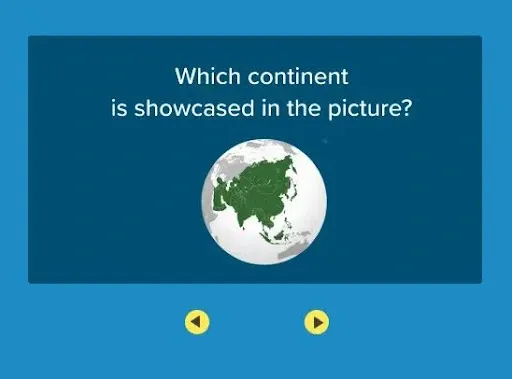
Flash cards may seem simple, but that’s not necessarily a bad thing. Flash cards serve as effective learning tools in three different ways: creating repetition, encouraging active recall (thinking of the answer in your mind), and using metacognition (comparing your answer to the correct answer in your mind).
Flash cards don’t always feel like a game, but they can be used like one. You can separate your class into teams and see who can work through the flash cards the fastest, or see which team is first to get through the set with 100% accuracy. You can use them within other games, such as the Fly Swatter Challenge. You can also input their terms into games like online Jeopardy or Deal or No Deal.
If you’re looking for an easy way to create digital flashcards to share with students, check out Factile’s Pro account. Simply press a button to turn your Jeopardy for Kids questions and answers into a set of flash cards.
All in all, review games are a solid educational tool. If you’re looking for easy learning games to play with your students, consider giving Factile a try today. Sign up for a free account to play Jeopardy online, or upgrade for additional features like Buzzer Mode, Team Mascots, Matching, Flash Cards, and more. We’d be thrilled to walk alongside you as you bring the benefits of review games (and the fun that comes with them) to your students!