The 10 Best Jeopardy Players of All Time


Jeopardy has been testing contestants since its syndicated version launched in 1984. Thousands audition every year, most get nervous at the buzzer, and go home empty-handed. Some good contestants make it through a few rounds. But a tiny handful? They became Jeopardy legends, or GOATs, as we call them these days.
What separates a good Jeopardy contestant from an all-time great? It's not just about having the best, most wide knowledge of things. The best players combine lightning-fast reflexes, nerves of steel, and strategies that changed how the game is played. Some dominated through sheer consistency. Others have uncovered wagering strategies on game shows that no one has seen before.
The 2003 rule change eliminated the five-game limit, and suddenly, super-champions became possible. Before that, you won at most five games and went home, no matter how good you were. After? We got Ken Jennings' 74-game winning streak and players earning millions in regular-season play alone.
These days, Jennings hosts the show he once dominated. But his throne at the top wasn't unchallenged. Professional risk-takers like James Holzhauer brought aggressive betting strategies that changed the game. Computer scientists applied data analytics to Daily Double hunting. Women shattered records that had stood for years.
This article ranks the 10 greatest Jeopardy players, and we list beyond winning streaks and total earnings. We also included those who pioneered strategic innovation, cultural impact, and overall game strategy, making everyone see a Jeopardy game differently. Each champion represents a different path to greatness, because there's no single formula for becoming the best.
Whether you're a trivia superfan or an educator looking to bring that championship energy to your classroom with a jeopardy game, these legends show what happens when knowledge meets strategy meets perfect execution.
How We Ranked the Best Jeopardy Players
Most people think being the "best Jeopardy player" means whoever won the most games or made the most money. And sure, those numbers matter. But they don't tell the complete story.
Someone could win 30 games by playing it safe and betting conservatively. Another player might win only six games but completely revolutionize how everyone else plays afterward. Which one had the bigger impact?
We looked at the obvious stuff first. Winning streaks show consistency and mental stamina. Total earnings prove you can perform under pressure. But we also considered things that don't show up in a simple leaderboard.
Did they change how the game is played? A few players completely changed how the game is played. After them, every contestant had to study their tactics or get crushed. That's the kind of impact that matters, even if someone only won six games.
Were they clutch performers? Dominating regular-season games against random opponents is different from beating other champions when millions are on the line. Tournament success reveals who elevates their game when it matters most.
Did they break barriers? First-time achievements open doors for others and prove what's possible. Those moments become part of Jeopardy history.
How efficient were they? Two players might earn similar amounts, but one did so in half as many games. Average performance per game shows who maximized every opportunity.
This means some players with longer streaks or higher earnings didn't make our list. We included players whose influence extends beyond their own run, who fundamentally altered how future contestants prepare and compete.
We diversified this list on purpose. Each champion represents a different path to greatness - whether through longevity, strategy, accuracy, or cultural impact because there's no single formula for becoming legendary at Jeopardy.
The 10 Best Jeopardy Players of All Time
#1. Ken Jennings - "The Greatest of All Time"

Quick Stats
Games Won: 74 (2004) Regular Season Earnings: $2,520,700 Total Jeopardy Earnings: $4,370,700+ Key Achievement: Longest winning streak in Jeopardy history
Ken Jennings' 74-game winning streak remains untouchable two decades later. It's nearly double second place. Imagine… someone would need 40 straight wins just to get halfway there!
What makes Jennings truly special? Consistency. According to game records, he averaged 35.9 correct responses per game, when no other champion exceeded 30. His highest Coryat score is $39,200, measuring pure knowledge without wagering on luck.
The BYU software engineer appeared in 2004, right after Jeopardy eliminated the five-game limit. His run lasted 182 calendar days before ending on a tax company question, wherein he said FedEx instead of H&R Block.
Then the 2020 Greatest of All Time tournament settled any debate. Jennings beat James Holzhauer and Brad Rutter, cementing his GOAT status. Now he hosts the show he once dominated.
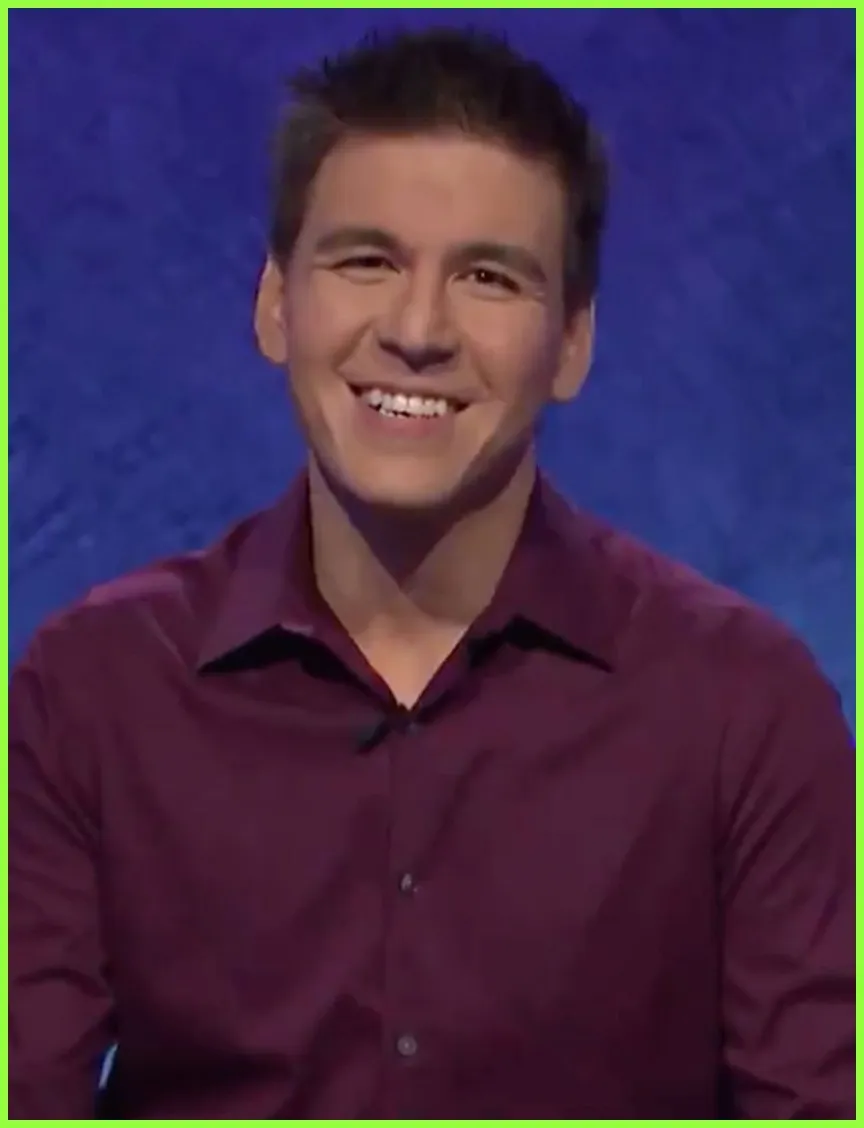
#2. James Holzhauer - "The Revolutionary Strategist"
Quick Stats
Games Won: 32-game winning streak (2019) Regular Season Earnings: $2,462,216 Total Jeopardy Earnings: $3,612,216+ Key Achievement: Highest average per game ($76,944), owns ALL top 10 single-day records
James Holzhauer was someone who crushed Jeopardy in every sense of the world.
This Vegas professional sports gambler brought probability theory to what's supposed to be a trivia show. His average per game was $76,944 across 32 wins. No one ever came close to that!
He owns ALL ten single-day records. Every single one. The top spot? $131,127. His strategy was actually pretty simple when you break it down: start from the bottom of the board where the money is, hunt Daily Doubles like you're being paid for it (because you are), then bet everything on what players call "True Daily Doubles."
At his pace, if Holzhauer had won 74 games like Jennings, he would've walked away with nearly $6 million. He came within $58,484 of Jennings' regular-season record in less than half the games before Emma Boettcher finally stopped him in his 33rd appearance.
After 2019, conservative play just died. Everyone studies Holzhauer's aggressive tactics now because they have to. He won the 2023 Masters Tournament, too, proving that applied mathematics could optimize human performance in ways nobody had really imagined before for a game show.
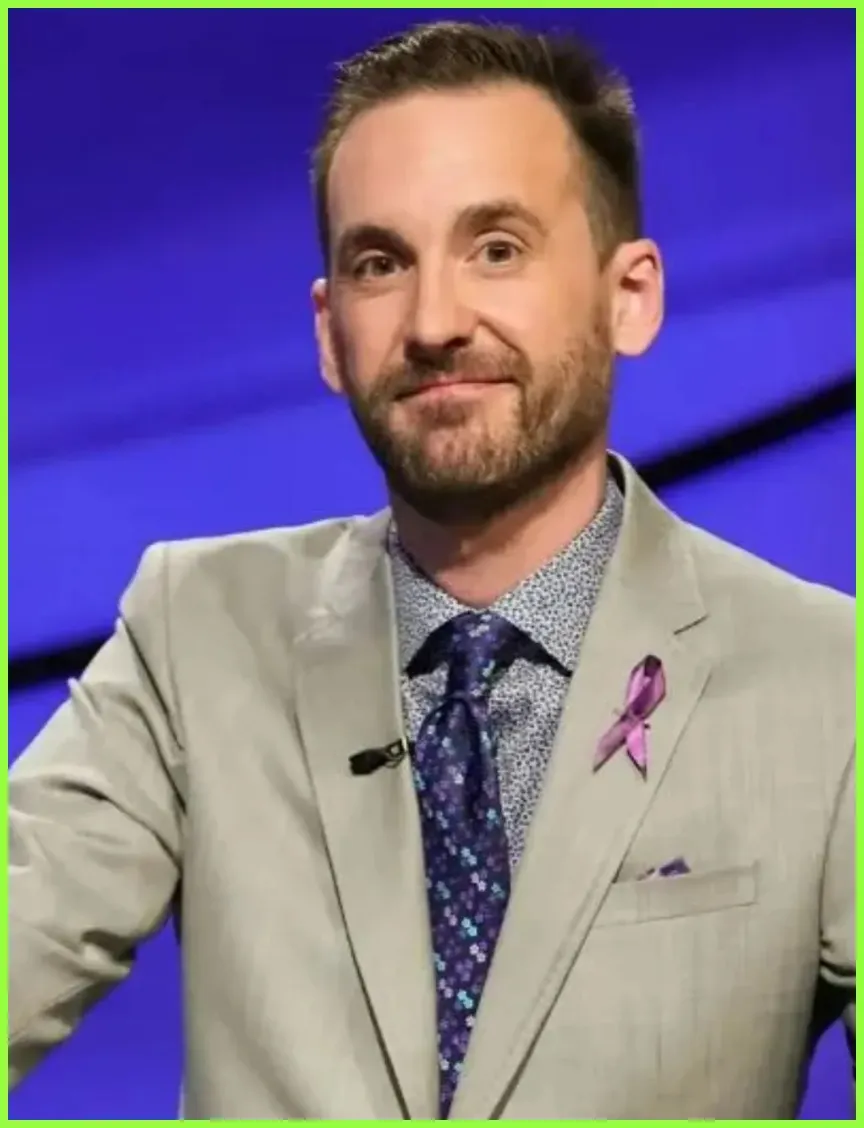
#3. Brad Rutter - "The Tournament King"
Quick Stats
Regular Season Games: 5 (2000, retired undefeated) Total Jeopardy Earnings: $4,938,436+ (HIGHEST ALL-TIME) Key Achievement: Five major tournament wins, undefeated against humans for 20 years
If there’s a feat that can blow anyone’s mind, it’s Brad Rutter’s. He earned nearly $5 million from just five regular-season games. Just.Five.Games. Imagine that!
He appeared in 2000 when the five-game limit still existed, retired undefeated, then dominated tournaments for two decades.
His trophy case tells the story. 2001 Tournament of Champions, 2002 Million Dollar Masters, 2005 Ultimate Tournament of Champions ($2.115 million), 2014 Battle of the Decades ($1 million), 2019 All-Star Games (team captain). He never lost to a human opponent until the 2020 Greatest of All Time tournament.
Tournament play is different. No weak opponents, but only elite champions who've already proven themselves. The pressure intensifies, and margins for error vanish. Rutter repeatedly beat both Jennings and Holzhauer when the stakes were highest.
The Lancaster, Pennsylvania native proved that performing against the best players under ultimate pressure requires an entirely different skill set. Most lucrative Jeopardy career ever, fewest games played. That's efficiency.
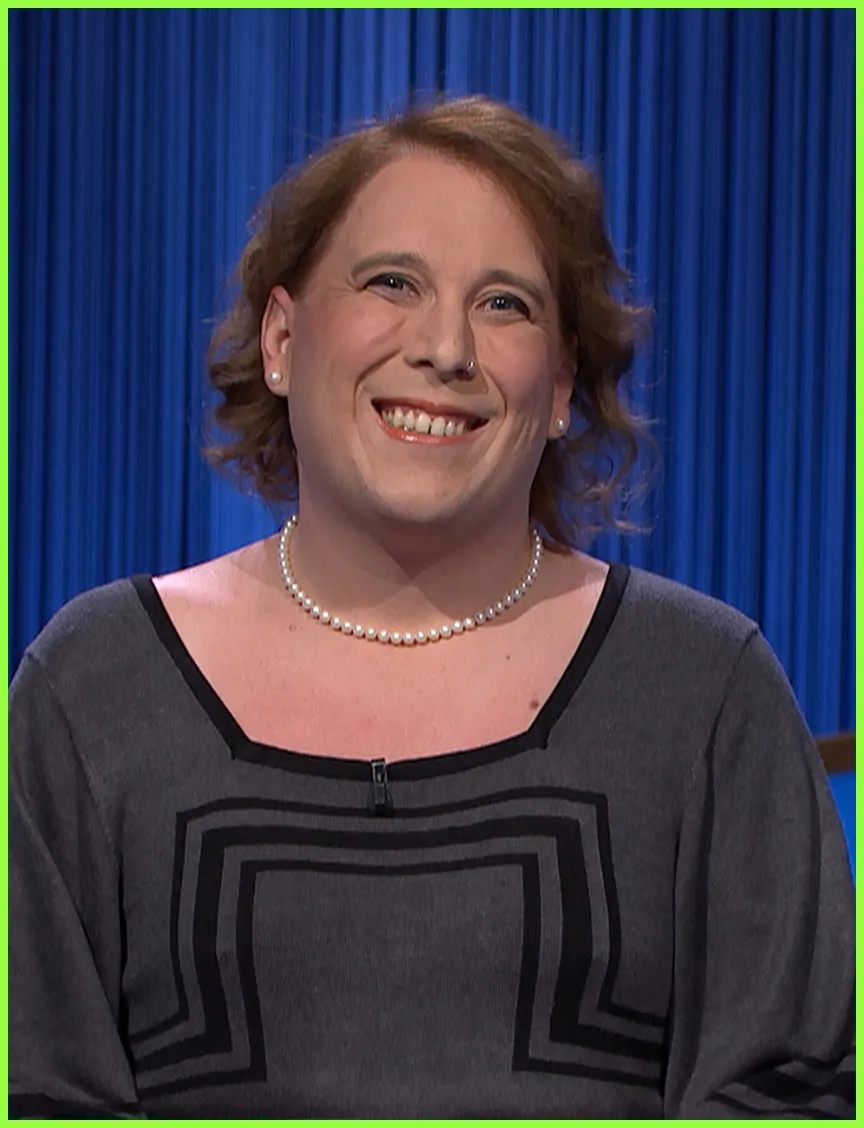
#4. Amy Schneider - "The Final Jeopardy Master"
Quick Stats
Games Won: 40 (2021-2022) Regular Season Earnings: $1,382,800 Key Achievement: Second-longest streak, best Final Jeopardy accuracy (73%)
Amy Schneider's 40-game winning streak ranks second in Jeopardy history.
But ranking second in terms of winning streak isn’t what made her to this list. It’s this: She got 30 correct out of 41 attempts. That feat on its own is something to applaud. If you do the math, that's 73% accuracy in literally the most pressure-packed moment of the entire game. Nobody else even comes close to that percentage.
The Oakland engineering manager became the first woman to cross $1 million on Jeopardy, which is huge. Her strategy involved methodical wagering calculations and brilliant category selection, in which she'd tackle her weakest categories first when fewer points were at risk. Smart.
She actually had a specific Final Jeopardy formula she used: round up second place to the nearest thousand, double it, subtract from your own score, then subtract another thousand as a safety margin. Math over guesswork. Who would have thought of using a formula like that?
As the first openly transgender contestant to qualify for the Tournament of Champions, Schneider brought some really important representation while letting her gameplay speak loudest. She won the 2022 Tournament of Champions, proving that discipline beats reckless betting every time.
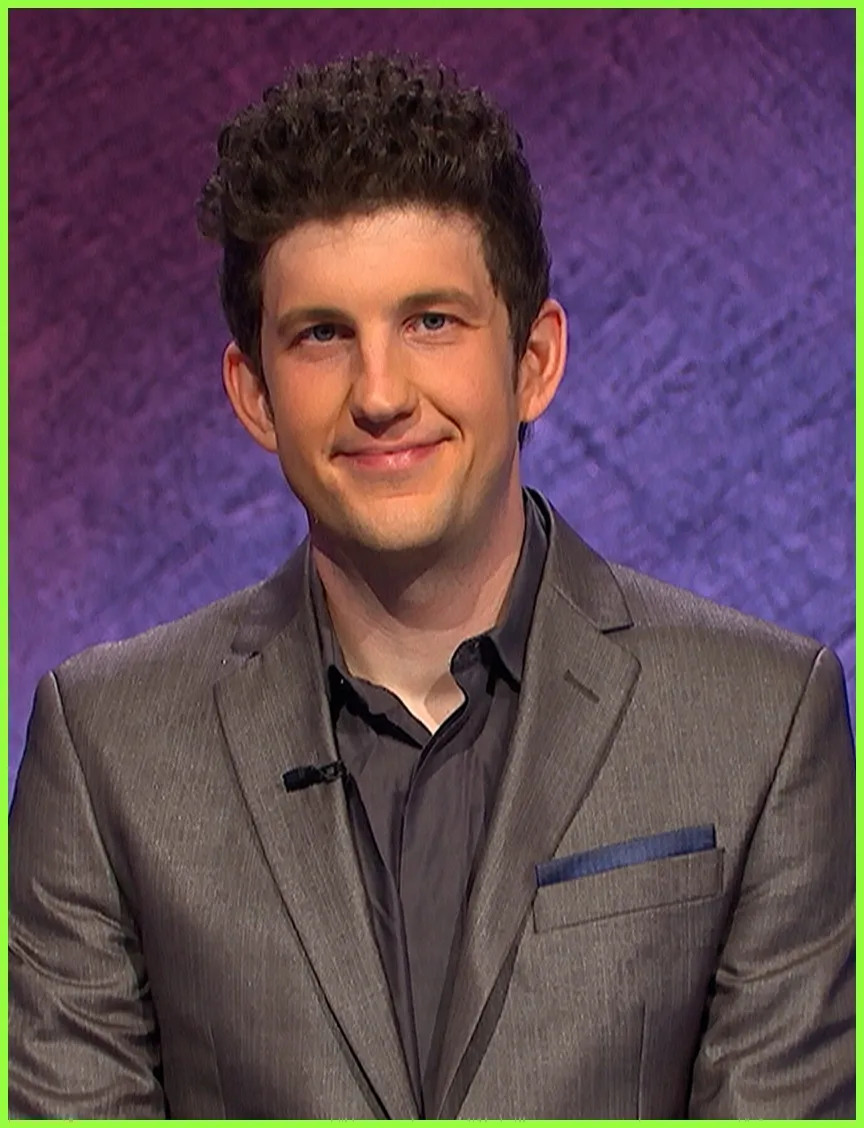
#5. Matt Amodio - "The Methodical Efficiency Master"
Quick Stats
Games Won: 38 (2021) Regular Season Earnings: $1,518,601 Key Achievement: Third-longest streak, third contestant to reach $1M
Matt Amodio's 38-game streak made him the third-longest champion and third person to earn over $1 million in regular-season play. The Yale PhD student brought this systematic precision that fans started calling the "Amodio Rodeo."
His big innovation was actually brilliantly simple when you think about it. Answer every single question with "What's..." regardless of whether the grammar made sense.
Why would you do that? Well, Jeopardy rules allow any question containing the correct response, right? So why waste mental energy choosing between "What is," "Who is," "Where is" when you could be using that brainpower for actual trivia recall? This efficiency hack freed up cognitive resources for what actually mattered.
He went aggressive in the first round. He finds Daily Doubles early, builds commanding leads, and once he gets ahead, he starts playing conservatively. His whole approach was probability-based decision-making that minimized luck and maximized optimal play patterns.
He competed during Jeopardy's chaotic hosting transition, too, playing under six different guest hosts. Eventually lost to 11-game champion Jonathan Fisher, but he proved that systematic thinking and strategic optimization could compete with pure trivia knowledge. The data-driven approach pretty much defines modern championship play now.
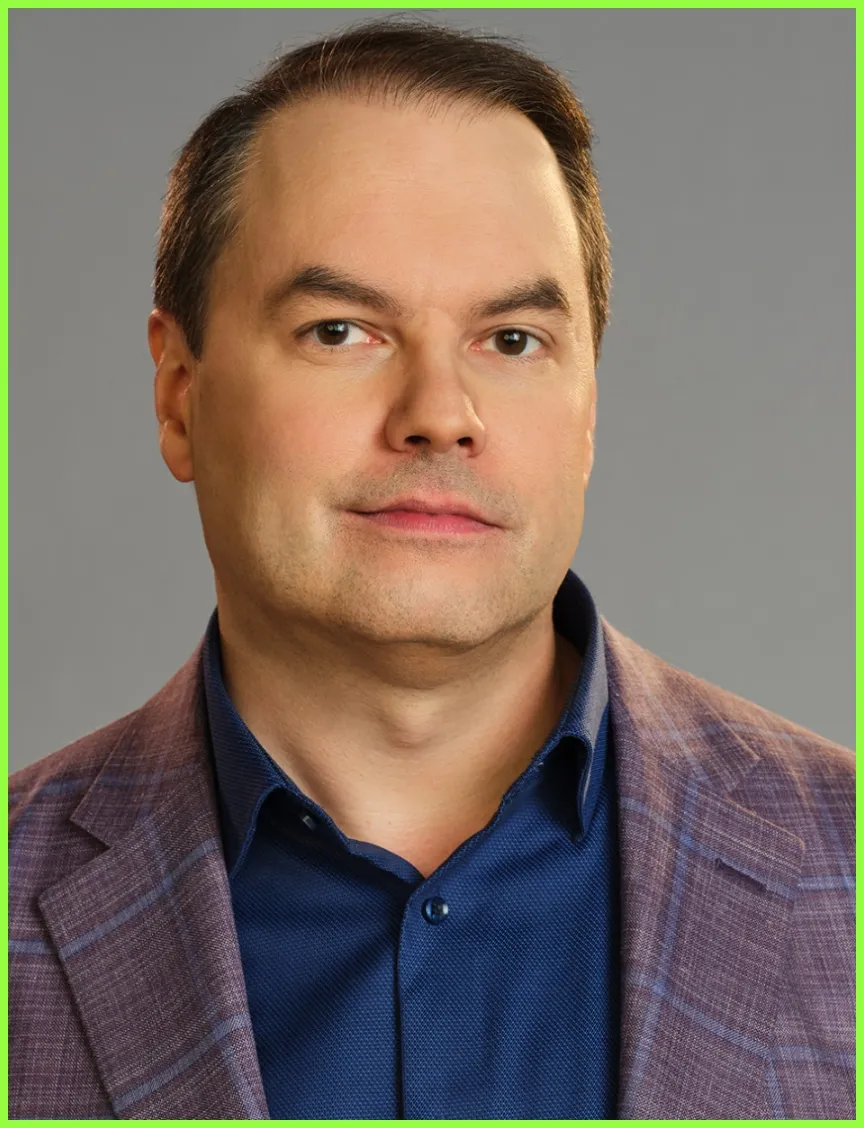
#6. Roger Craig - "The Data-Driven Revolutionary"
Quick Stats
Games Won 6 (2010) Regular Season Earnings: $230,200 Tournament Earnings: $250,000 (2011 ToC winner) Key Achievement: Single-day record $77,000 (held 2010-2019), invented "Moneyball" approach
If you look at raw statistics, Craig's six-game streak won't impress anyone. Players like Jason Zuffranieri and Scott Riccardi won more games and earned more money. But Craig's influence towers over many longer-running champions.
He changed Jeopardy forever by bringing computer science to game show preparation. The PhD student downloaded over 211,000 past questions from the J! Archive and discovered patterns nobody else noticed.
Daily Doubles aren't random. Game analysts figured out that they show up 36% of the time in the fourth row but only like 10% in the second row. So Craig's whole "Moneyball" thing used data mining to identify which categories kept popping up across different rounds. That way, he could study the stuff that was actually likely to appear instead of wasting time on random topics that might never come up.
He broke Jennings' single-day record with $77,000 in 2010, a record that stood for nine years until Holzhauer completely shattered it. His 2011 Tournament of Champions victory featured this historic moment: he found back-to-back double Daily Doubles in the finals and just went for it, wagering aggressively on both.
Every modern champion studied Craig's methods. Arthur Chu, James Holzhauer, and Matt Amodio; all built on his data-driven foundation. He even shared his custom study app with Jennings for the Watson match. That's a legacy that transcends six games.
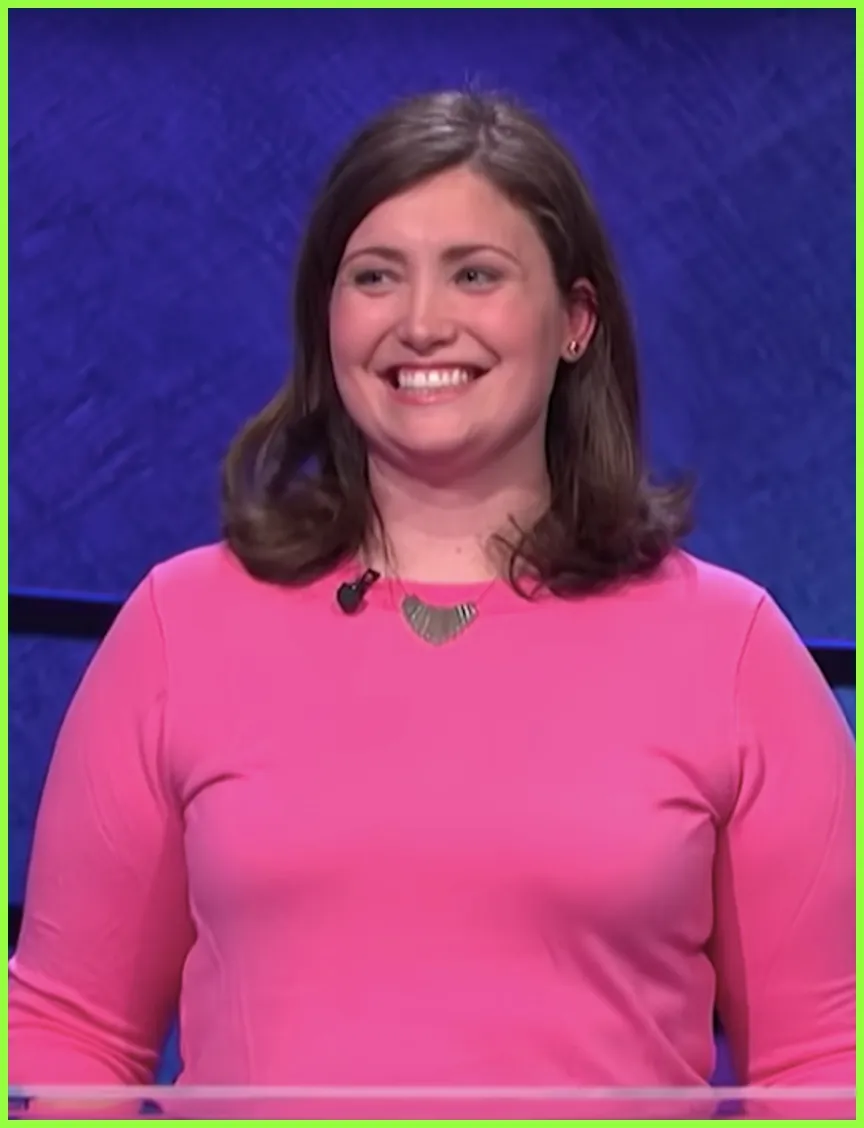
#7. Julia Collins - "The First Female Super-Champion"
Quick Stats
Games Won: 20 (2014) Regular Season Earnings: $428,100 Key Achievement: First woman to win 20+ consecutive games
Julia Collins absolutely shattered expectations in 2014 by becoming the first woman to win 20 consecutive Jeopardy games. No woman had ever won more than eight straight before her/ Her $428,100 in earnings ranked third at the time, trailing only Jennings and David Madden.
She held the women's winning streak record for seven years until Amy Schneider finally surpassed it in 2021. But Collins was the one who opened that door. She proved women could dominate at the highest levels and set these new expectations for what was actually possible.
The supply chain professional brought a really methodical approach and innovative wagering strategies to every game. Her analytical approach to category selection and risk assessment showed that organized, systematic play could match anybody's pure trivia knowledge.
Fun fact: Collins married fellow champion Roger Craig! Talk about the ultimate trivia power couple, both of them bringing these data-driven approaches to their gameplay.
Collins' historical significance goes way beyond just the statistics, though. She fundamentally changed perceptions about gender and game show excellence. Her barrier-breaking achievement inspired the next generation of female champions.
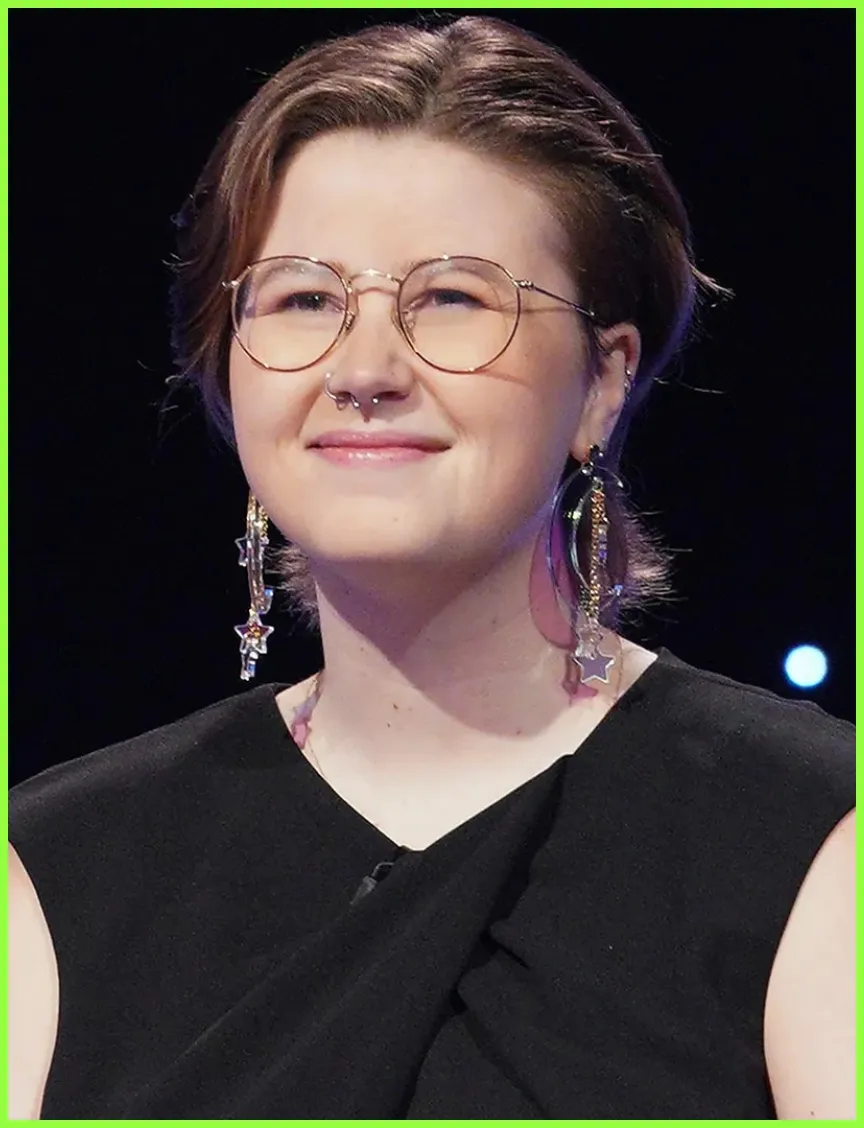
#8. Mattea Roach - "The Next Generation Champion"
Quick Stats
Games Won: 23 (2022) Regular Season Earnings: $560,983 Key Achievement: First Canadian 10+ game champion, youngest super-champion at age 23
Proving that excellence definitely crosses borders is what Mattea Roach proved when she became the first Canadian to win 10+ consecutive Jeopardy games. At just 23 years old, they tied as the youngest super-champion in the modern era, which is pretty incredible.
The Toronto tutor brought this really youthful energy and sharp strategic instincts to their 23-game run. You could just tell they were having fun up there, you know? Advanced wagering skills paired with emotional composure in close games. Mattea kept their confidence through both nail-biter victories and games where they just demolished the competition.
What sets them apart is their bubbly personality, which resonated with viewers in a way that felt different. The social media engagement was unprecedented: Roach was live-tweeting their own games, sharing behind-the-scenes stuff, connecting with audiences in ways previous champions hadn't really thought to do. It felt more accessible somehow.
And as the first non-binary person to achieve a 10+ game streak, Roach represents where Jeopardy champions are heading. More diverse. More connected to audiences. They embody the future of the game: champions who've studied decades of past strategies, learned from legends like Craig and Holzhauer, and then brought their own fresh personality to create what feels like the next evolution of elite play.
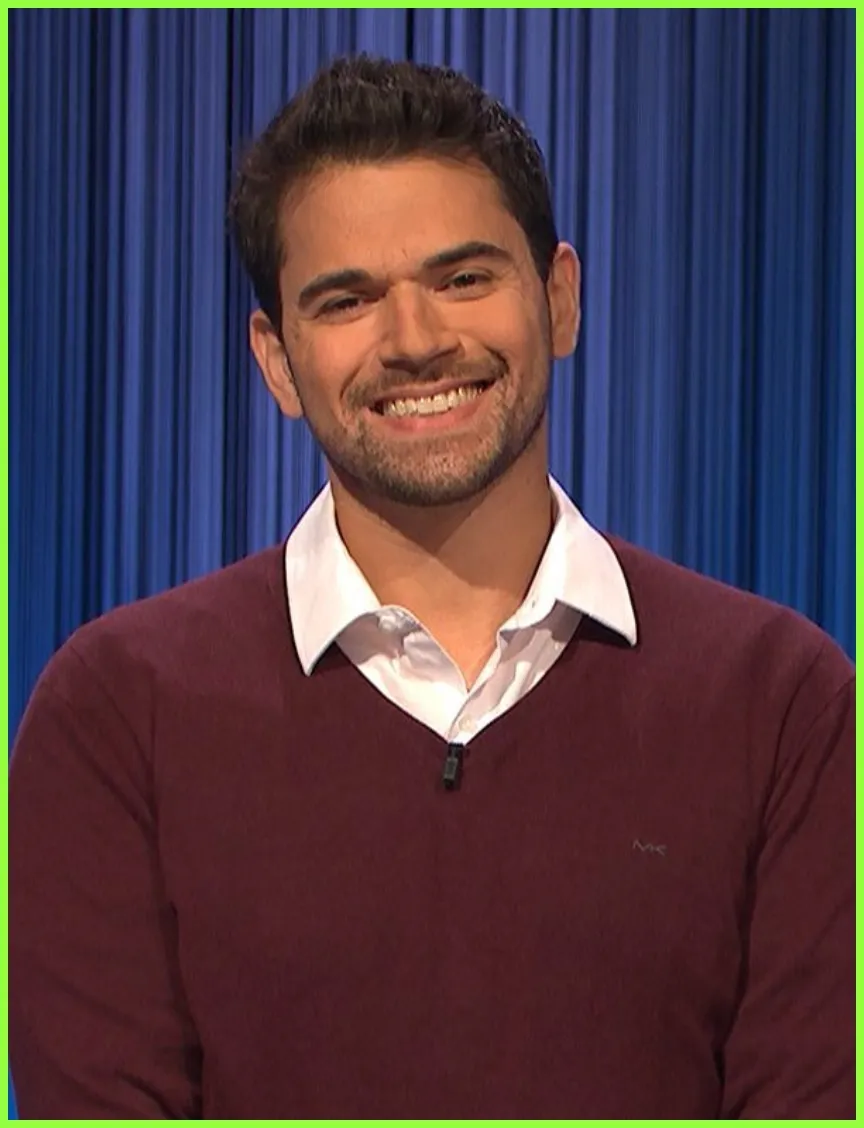
#9. Cris Pannullo - "The High-Efficiency Modern Champion"
Quick Stats
Games Won: 21 (2022) Regular Season Earnings: $748,286 Key Achievement: Fifth-highest regular-season earnings
If there’s one thing that Cris Pannullo's 21-game streak in 2022 proved, it’s that you can still absolutely dominate even after literally everyone has studied James Holzhauer's playbook inside and out.
His $748,286 ranks fifth all-time. His average per game was $35,633, the best among all 20+ game winners, excluding Holzhauer's completely outlier performance.
What really distinguishes Pannullo, though? Exceptional performance in what fans call Coryat scores, which measure pure knowledge and buzzer skill without any wagering variance. He racked up multiple runaway victories with these commanding leads before Final Jeopardy even started.
His 2022 run came right during this golden era of super-champions, just shortly after Amy Schneider and Matt Amodio had literally just finished their historic streaks. The contestant pool was better prepared than ever, having watched these aggressive strategies become standard practice.
Yet Pannullo still carved out his place through consistent excellence across all categories. No gimmicks or revolutionary new tactics. He just executed solid fundamentals at a higher level than everyone else. He represents the modern champion who learned from all these predecessors while developing his own efficient approach.
Sometimes, just mastering the basics beats trying to reinvent the wheel, you know?
#10. David Madden - "The Original Super-Champion #2"

Quick Stats
Games Won: 19 (2005) Regular Season Earnings: $430,400 Total Jeopardy Earnings: $763,733+ Key Achievement: Second super-champion after Jennings
David Madden won 19 consecutive games in 2005, and honestly? This proved Jennings wasn't just some fluke. The Princeton graduate established himself as the second super-champion in the unlimited wins era, showing that long streaks were actually the new normal, not just a one-time anomaly.
He brought these traditional trivia powerhouse skills without all the aggressive modern strategies. Deep academic knowledge. Consistent buzzer timing. Broad category mastery. Back then, pure knowledge still dominated before these data-driven tactics became the standard.
Beyond his impressive run, though, Madden founded International Academic Competitions (IAC), giving back to the trivia community and developing future quiz bowl stars. Pretty cool. He also defeated IBM's Watson computer twice during beta testing, which doesn't get talked about enough.
He won the 2019 All-Star Games as part of Team Brad, demonstrating this longevity 14 years after his original streak ended. Madden really represents the bridge between the old five-game limit era and these modern super-champions. His consistent excellence showed that when the rules changed to allow unlimited wins, multiple players could achieve sustained dominance.
Not just one lightning-in-a-bottle phenomenon.
Conclusion
The best Jeopardy players prove that excellence has no single blueprint. Ken Jennings dominated through unmatched consistency. James Holzhauer rewrote the rulebook with the power of gambling mathematics. Brad Rutter became the ultimate clutch performer when millions were on the line. Amy Schneider mastered the art of Final Jeopardy precision.
Each champion carved their own path. Some won through knowledge depth. Others through strategic innovation. A few changed how every future contestant would approach the game.
But here's what they all share: preparation. Every single one of these legends was studied relentlessly. They practiced buzzer timing. They analyzed patterns. They turned trivia into a science. It's amazing how one game show can bring so many strategic factors into play!
Want to bring that championship energy to your classroom or next game night? You don't need years of preparation. You just need the right tool. Create your own jeopardy game with Factile and experience what made these players legendary. Customize categories for any subject, add your own questions, and watch people light up with the same competitive spark that made Jeopardy a cultural phenomenon.
Whether you're teaching World War II or hosting a pop culture showdown, Factile makes it easy to create games that actually engage people. Try it free! No downloads, no complexity, just the thrill of competition these legends brought to every game.